
12 Dec How Can Education NGO Improve Learning Outcomes?
Enhancing learning outcomes has become one of the greatest challenges in education around the world, especially in disadvantaged communities. However, thousands of organizations are working all over the world to bridge educational gaps, with no single organization playing a more important role than an NGO directed toward education. The Education NGO constructs community-centered initiatives, resource provision, teacher support, and innovative learning models that transform the education systems from the bottom up.
We explore in this paper how an education NGO can significantly improve learning outcomes, identify the most effective strategies, and what enduring impact these interventions bring about for students and communities.
1. Access to Quality Learning Materials – Role of Education NGO
Elysium Foundation – One of the most immediate ways an education NGO improves learning outcomes is by ensuring that children have access to the necessary materials for learning. Many schools lack basic resources such as textbooks, notebooks, visual aids, and digital tools. Without these, learning becomes limited and inconsistent.
NGOs often step in by supplying:
- Textbooks aligned with curriculum standards
- Digital learning tablets and low-cost devices
- Storybooks, reading corners, and libraries
- Science kits and practical learning tools
By making learning materials accessible, an education NGO levels the playing field and empowers students with the foundational tools that they need to succeed academically.
2. Training and Supporting Teachers
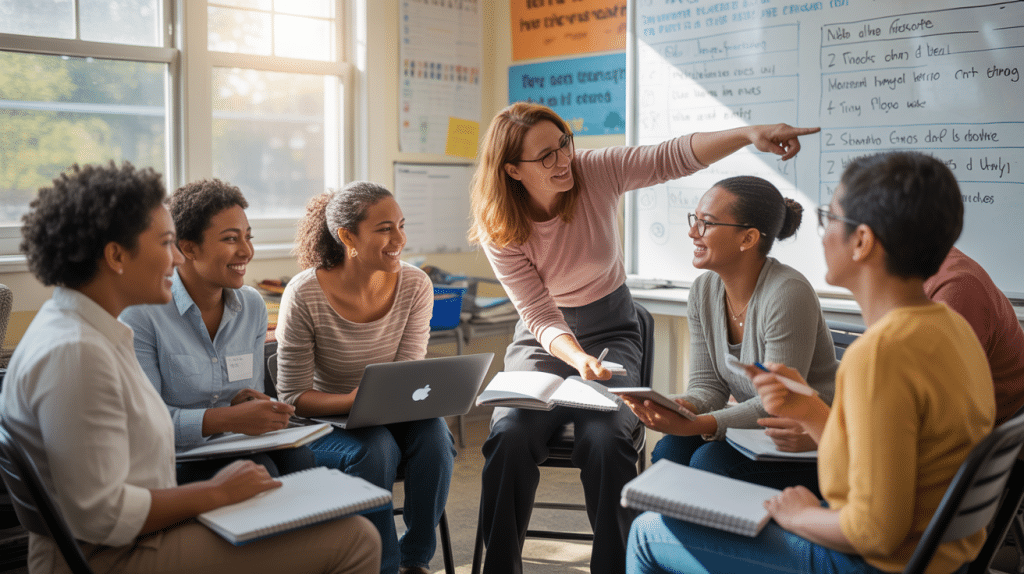
Teachers form the backbone of any education system, but most under-resourced regions face teacher shortages, a lack of training, and outdated teaching methods. This is where an education NGO becomes a catalyst for change.
NGOs enhance teacher effectiveness by offering:
- Continuous professional development workshops
- Subject-specific training in math, science, reading, etc.
- Classroom management techniques
- Child-centered pedagogical training
- Digital teaching tools and technology workshops
Better-equipped teachers result in dramatic improvements in student learning outcomes. An education NGO often introduces more modern, engaging methods of learning, such as activity-based learning, experiential learning, and project-based learning, all of which enhance understanding and retention.
3. Education NGO: Promoting Personalized and Remedial Learning
Students learn at different rates, yet the overcrowding of classrooms makes it very hard for teachers to give special lessons to each and every student. This, in turn, causes learning gaps that increase with time. An education NGO helps overcome this issue by introducing remedial learning programs aimed at helping lagging students catch up.
These may include but are not limited to:
- After-school tutoring
- Small-group learning sessions
- Special reading and numeracy programs
- One-on-one mentorship
- Personalised learning plans based on assessments
An education NGO helps in ensuring that no child is left behind by identifying the strengths and weaknesses of each learner.
4. Using Technology to Enhance Learning – Education NGO Innovations

Technology has transformed education in ways unimaginable earlier. From digital classrooms to interactive learning apps, technology-based learning tools have expanded access, increased engagement, and improved comprehension.
Many NGOs introduce digital education initiatives, like:
- E-learning platforms
- Gamified learning modules
- AI-powered skill assessments
- Digital literacy programs
- Virtual classrooms for remote learners
These tools will enable the education NGO to facilitate quality education among even the most distant and underprivileged communities.
5. Supporting Community Engagement and Awareness
Learning outcomes are more than just classroom achievements; family involvement plays a critical role. Most communities lack the required awareness, motivation, and resources to support children’s learning at home.
An education NGO enhances this by initiating community-based programs like:
- Parental awareness workshops
- Community reading sessions
- Door-to-door engagement
- Educational campaigns on the importance of schooling
- Local volunteer teaching programs
Attendance will improve, the dropout rate diminishes, and learning motivation heightens when families value education.
6. Holistic Child Development Programs Implementation – Education NGO Approach
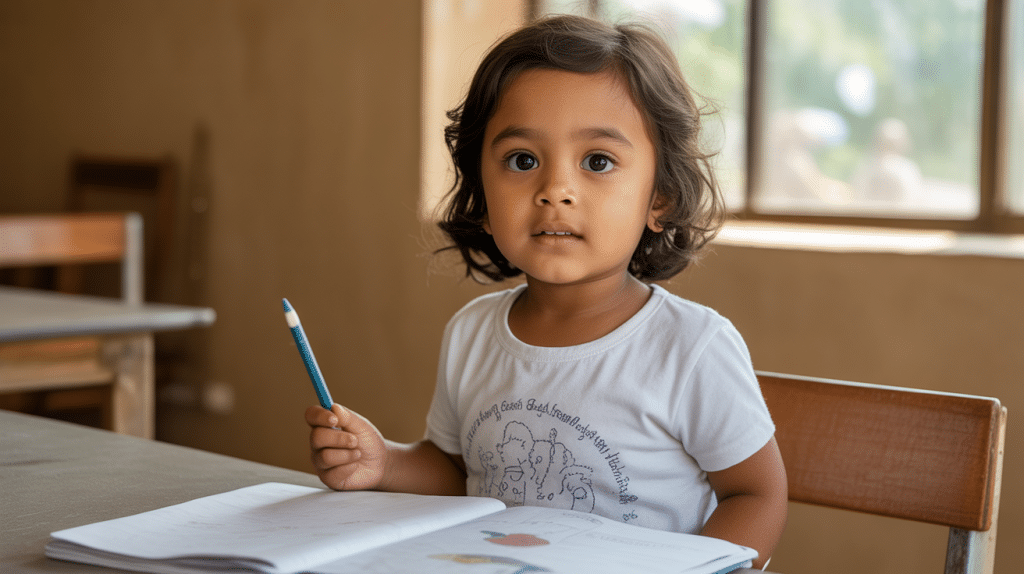
Education does not relate only to academic skills. Social, emotional, and physical development is equally important for long-term success. Most NGOs involve holistic education in their programs so that the children grow up to be confident and capable individuals.
Holistic development programs may include:
- Life skills training
- Emotional well-being and mental health support
- Arts, sports, and creative expression activities
- Leadership and teamwork activities
- Nutrition and health awareness programs
Holistic support assures students of performing not only academically but also gaining skills relevant to real-life problem-solving.
7. Ensure Safe and Supportive Learning Environments
Improper infrastructure, lack of sanitation, and overcrowded classrooms are all features of unsafe or unhealthy environments that can adversely impact student performance. Most often, an education NGO intervenes in improving school environments to make learning comfortable and enjoyable.
Common interventions include:
- Repairing classrooms and school facilities
- Setting up toilets and clean water systems
- Building playgrounds and learning spaces
- Improving lighting and ventilation
- Providing safe transport options
A safe environment increases student attendance and promotes active participation.
8. Learning Assessments and Progress Measurement – Education NGO Methods
In addition, to improve learning outcomes, one needs to understand what is working and what isn’t. Usually, an education NGO implements systematic assessments to evaluate the performance of the students, trace their growth, and redesign learning strategies.
These assessments include:
- Baseline academic tests
- Periodic evaluation of the learning level
- Skill-based assessments
- Teacher performance tracking
- Community Feedback Surveys
An education NGO uses data-informed insights to make sure that programs evolve based on actual needs, not assumptions.
9. Girls’ Education and Inclusion: Encouraging
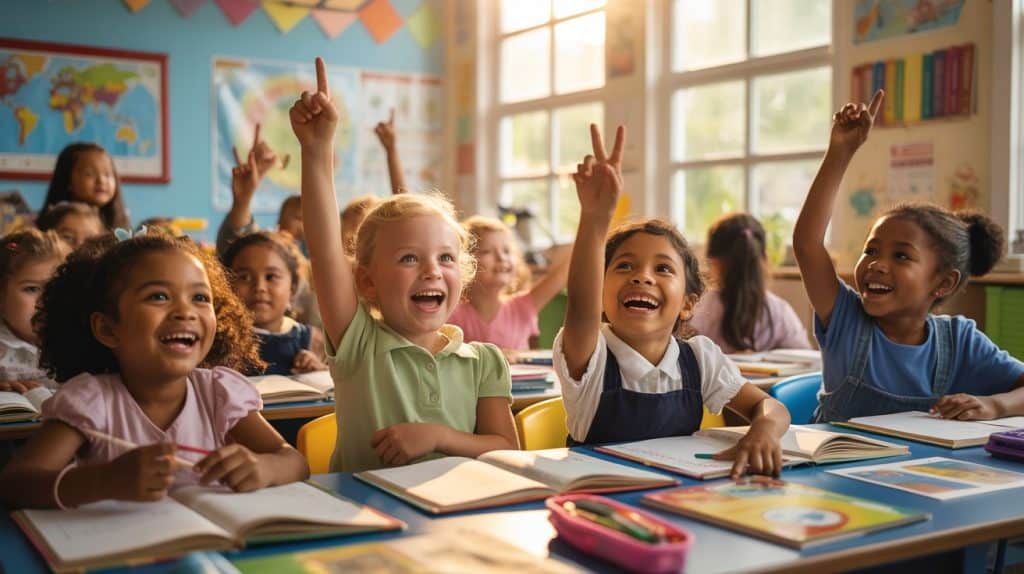
The barriers to education vary significantly between girls and boys in many regions, especially when it comes to education in rural areas. Social norms, safety concerns, early marriage, and household responsibilities keep millions of girls from completing school.
An NGO on education addresses gender inequality in the following ways:
- Scholarships for girls
- Safe transportation and school infrastructure
- Gender-sensitive teaching practices
- Community outreach to change mindsets
- Menstrual hygiene programs and support
Improving girls’ education not only raises learning outcomes but also uplifts whole communities.
10. Building Sustainable and Scalable Education Models – Education NGO Strategy
Perhaps one of the most powerful ways an education NGO improves learning outcomes is by creating sustainable systems that continue improving long after programs end.
Sustainability may include:
- Training local teachers and volunteers
- Partner with government schools
- Developing low-cost, replicable education models
- Building local leadership and ownership
- Integrating technology that is easy to maintain. This ensures that the benefits are long-lasting and the learning outcomes continue to increase over time.
Final Thoughts:
Better learning outcomes are a long-term commitment that requires passion, resources, and innovation. An Education NGO plays a very important role in this mission: it empowers students, supports teachers, engages communities, and strengthens education systems.
The pathway to success for every child is created through personalized learning, digital tools, teacher training, and community engagement by these organizations. This is where an education NGO comes in to make learning more inclusive, interactive, and relevant. Every child, whatever the background, has the potential to excel academically in the right supportive environment and strategies that assure them of a much better future.