06 Apr Outreach Programs: How NGOs Are Making a Difference in Communities
In today’s world, NGOs play a crucial role in improving lives and creating sustainable communities. One of the most effective ways they achieve this is through outreach programs. These initiatives are designed to engage, educate, and empower individuals, especially those from marginalized and underprivileged backgrounds. By implementing structured programs, NGOs can extend their impact and ensure that support reaches those who need it most.
Understanding Outreach Programs
Outreach programs are strategic initiatives carried out by NGOs to connect with communities directly. These programs focus on identifying the needs of a community and providing practical support through education, healthcare, skills development, and awareness campaigns. Unlike standard services, it is actively bring resources to the doorstep of beneficiaries, ensuring that the most vulnerable populations are not left behind.
The primary aim of this programs is to create awareness and facilitate access to essential services. Whether it’s educating children in rural areas, providing healthcare to underprivileged communities, or running awareness campaigns about social issues, NGOs use this programs to bridge gaps that mainstream services often fail to address.
Types of Outreach Programs Run by NGOs

NGOs operate a wide range of This programs, each tailored to meet specific community needs. Some of the most common types include:
Educational Outreach Programs
Education is one of the most powerful tools for social transformation. Many NGOs organize this programs that focus on providing educational support to children and adults alike. These initiatives often include free tutoring, scholarships, digital learning workshops, and school supply distribution.
For example, NGOs in rural India have developed educational programs that ensure children in remote villages receive quality education and resources to enhance their learning experience.
Healthcare Outreach Programs
Healthcare remains a critical area where NGOs make a significant impact through these programs. Medical camps, vaccination drives, health awareness campaigns, and free medical check-ups are all part of these initiatives. These programs target communities with limited access to healthcare facilities, ensuring timely interventions and preventive care.
By implementing healthcare-focused programs, NGOs not only improve physical well-being but also raise awareness about hygiene, nutrition, and disease prevention.
Women Empowerment Outreach Programs
Women empowerment is a priority for many NGOs. Through the programs, organizations provide skill development workshops, microfinance training, legal awareness sessions, and health education specifically tailored for women. These initiatives aim to foster independence and equality, enabling women to actively participate in community development.
This programs targeting women often focus on entrepreneurship, vocational training, and leadership development, equipping them with tools to overcome societal challenges.
Environmental Outreach Programs
Environmental conservation is another focus area for NGOs. Environmental programs include tree planting campaigns, clean-up drives, awareness about sustainable practices, and climate education initiatives. By involving local communities in these programs, NGOs instill a sense of responsibility and encourage collective action for a healthier environment.
Through environmental outreach programs, NGOs educate communities about the importance of preserving natural resources for future generations.
The Impact of Outreach Programs
The impact of programs goes beyond immediate assistance. These programs help build stronger communities by:
- Promoting education and skill development
- Ensuring access to healthcare
- Encouraging environmental conservation
- Empowering women and marginalized groups
- Raising awareness about social issues
Through consistent engagement, NGOs foster a sense of community participation. Beneficiaries of this programs often become advocates for positive change, creating a multiplier effect where knowledge, awareness, and support spread throughout the community.
How NGOs Plan Outreach Programs
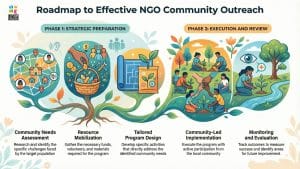
Planning effective programs requires careful research, strategy, and resource allocation. NGOs typically follow these steps:
- Community Needs Assessment: Understanding the specific challenges faced by the target population.
- Resource Mobilization: Gathering funds, volunteers, and materials required for the program.
- Program Design: Developing tailored activities that address the identified needs.
- Implementation: Executing the program with active participation from the community.
- Monitoring and Evaluation: Tracking outcomes to measure success and areas for improvement.
This structured approach ensures that programs deliver meaningful results and make a tangible difference in the lives of beneficiaries.
Examples of Successful NGO Outreach Programs
Many NGOs have demonstrated the effectiveness of outreach programs through impactful projects:
Child Education Initiatives
NGOs like Pratham and Teach for India conduct This program is in schools and rural areas to enhance literacy and learning. They provide free education, learning materials, and mentorship to children from underprivileged backgrounds.
Health Awareness Campaigns
Organizations such as Smile Foundation implement healthcare-focused this programs that include vaccination drives, dental check-ups, and nutrition workshops, reaching thousands of children and families in need.
Women Empowerment Projects
NGOs like SEWA (Self-Employed Women’s Association) conduct programs offering vocational training and microfinance support, helping women gain financial independence and leadership skills.
Challenges in Conducting Outreach Programs
Outreach programs can really make a difference in peoples lives. Organizations that do this kind of work like NGOs often have a tough time planning and carrying out these programs. These challenges can affect how well the programs work and how long they last. Even though NGOs are committed to helping people they have to overcome a lot of obstacles to make sure their programs keep helping people over time.
One big problem is that NGOs do not have money and resources. A lot of NGOs rely on donations and grants to run their outreach programs.. When the money is not coming in regularly it can be hard to keep the programs going hire good people and get the things they need. If NGOs do not have money they might struggle to make their outreach programs bigger or keep them going for a long time.
Another big challenge is reaching people who live in areas or who are not being helped by others. A lot of outreach programs try to reach people who live in areas or in places where not many people are helping. But it can be hard to get to these places because the roads are bad there are no phones. It is hard to get around. In these cases NGOs have to spend time and money to make sure their programs are helping the people who need it most.
Sometimes people in these communities do not want to change. They have beliefs that make it hard for new programs to work. For example programs that try to help women or teach people about health might not work because of things that people have believed for a time. NGOs have to gain the trust of the people in these communities and work with leaders to make their programs work.
Making sure outreach programs keep going over time is also very important. While short-term programs can help away NGOs need to keep helping people over time to really make a difference. NGOs have to come up with plans that will keep the programs going like getting the community involved teaching people skills and helping local leaders.
NGOs also have a hard time finding volunteers and getting the right people to work for them. Outreach programs need people who are trained and who care about the work to be successful. It can be hard to find people who’re willing to work in remote areas, which can affect how well the programs work.
It is also hard for NGOs to measure how well their programs are working. To know if a program is successful NGOs need to collect and analyze data.. In remote areas it can be hard to get accurate information because the internet and phones do not always work.
With all these challenges NGOs keep trying to find new ways to do things and adapt to the problems they face. By working with organizations using technology and getting the community involved NGOs can overcome the obstacles and make their outreach programs more effective. With work and good planning NGOs can keep making a positive difference, in peoples lives and help communities grow and develop over time.
Despite these obstacles, NGOs continue to innovate and adapt, using technology, community partnerships, and volunteer support to overcome limitations and maximize impact.
The Role of Technology in Outreach Programs
Technology has really changed the way non-governmental organizations design. Manage outreach programs. They can now do things faster and better. With technology they can reach people in away places and help them more easily. Technology also helps non-governmental organizations be more open and honest about what they do.
One good thing about technology is that it helps with managing information. Non-governmental organizations can use computers to keep track of who they’re helping and how their programs are doing. This helps them understand what people need and make decisions. They can also use this information to show others how well their programs are working.
Technology is also useful for spreading information. Non-governmental organizations can use media, websites and email to tell people about important issues and events. They can reach people and get them involved. They can also teach people about health, education and the environment online.
Non-governmental organizations can also use technology to help people learn. They can use programs on phones and computers to teach students in far away places. This is really helpful when there are no schools or teachers around. Students can keep learning even when they’re not in a classroom.
Technology also helps non-governmental organizations provide care to people in rural areas. They can use video calls to talk to doctors and get help when they need it. This saves time and money. They can also keep track of peoples history online.
Technology also makes it easier for non-governmental organizations to raise money. They can use platforms to collect donations and show people how their money is being used. This helps build trust with the people who give them money.
Non-governmental organizations can also use technology to work better. They can use apps and tools to talk to each other and plan things. This helps them do their jobs efficiently.
Technology also helps non-governmental organizations see how well their programs are working. They can use surveys and special tools to collect information and make changes when they need to.
Non-governmental organizations can also use mapping tools to see where people need help the most. They can use these tools to plan their outreach programs and make sure they are helping the people.
By using technology non-governmental organizations can help people and make a bigger difference. As technology keeps getting better it will be more important, for outreach programs and helping communities.
How You Can Support NGO Outreach Programs
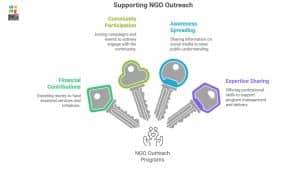
Everyone can play a role in strengthening of this programs. Here’s how you can help:
- Donate: Financial contributions help NGOs fund education, healthcare, and skill development initiatives.
- Participate: Join campaigns or community events organized by NGOs.
- Spread Awareness: Share information about NGO programs on social media.
- Provide Expertise: Offer professional skills such as teaching, healthcare support, or program management.
By contributing to these programs, individuals can directly impact the lives of countless people and help NGOs achieve their mission.
Conclusion
NGO outreach programs are really important for making a difference in peoples lives. They focus on things like education and healthcare and helping women and taking care of the environment. This way NGOs can help people who really need it. These programs do not just help people now but they also help people in the long run by teaching them things they need to know.
NGOs everywhere are always trying things and coming up with new plans to help people through their outreach programs. This creates an impact that helps people understand important issues and makes the world a fairer and better place. If we support these programs by giving money or helping out or just telling people about them then NGOs can keep doing things for people.
Outreach programs also help people in communities work together and get involved in making their lives better. When people take part in these programs they learn things and become more confident and they get chances to improve their lives. After some time these programs help communities become strong enough to take care of themselves. By getting NGOs and volunteers and community members to work together outreach programs make a difference in peoples lives and help create a world that is fair and where everyone has the same opportunities and this is good for people, in the future.
