
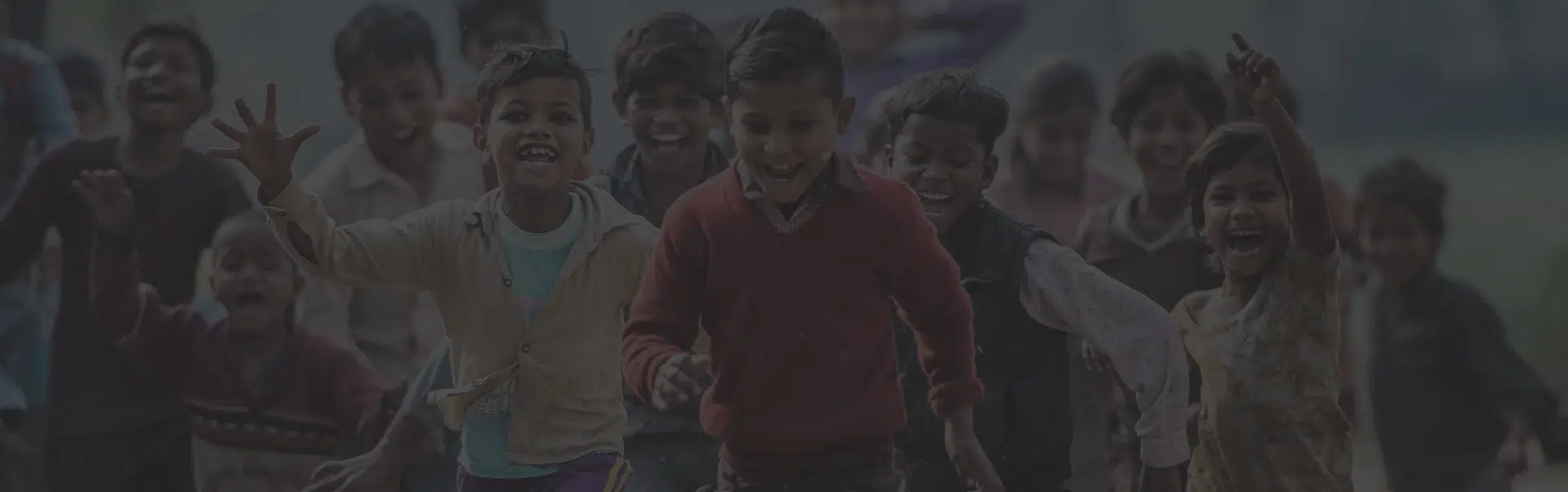

27 Mar Rural Education: Bridging Opportunities for Sustainable Development
Rural education is really important for the future of villages and towns. It helps people get the knowledge and skills they need to make their lives better. Many rural areas do not have roads, schools, or teachers, which makes it hard for people to learn. It is very important to make education better in these areas so that people can have better lives. When students in areas get a good education, they can get better jobs and help their communities.
Getting education to rural areas helps make things fairer for people who live in the countryside compared to those who live in cities. When people in areas have access to schools, computers, and training programs, they can try new things and get new jobs. Education for women in these areas is also very important for making society better. Women who are educated can help their families be healthier, have money, and make sure their children get an education.
Rural education also helps the economy grow by encouraging ideas and businesses. When people learn things and get new skills, they can start their own businesses, create jobs, and make their communities better. Making rural education better helps communities grow and thrive.
Why Rural Education Matters
Getting an education in rural areas is essential for making society fairer and better. Rural education helps people learn things, get new skills, and have better lives. When students in areas get a good education, they become more confident and can help their communities. This helps not the individual but the whole community.
One of the reasons rural education is important is that it helps reduce the difference between urban and rural areas. When people in areas have access to education, they can compete with people from cities and get good jobs. With education, people in rural areas can try new things like technology, healthcare, and starting their own businesses.
Education for women in areas is also very important for making communities better. Women who are educated can help their families make sure their children get an education and have money. This creates a cycle that helps future generations.
Rural education also helps the economy by encouraging ideas and skills. When people have knowledge and skills, they can start businesses, create jobs, and make their communities better.
Challenges in Education in Rural Areas

Education in the area is still facing many problems that make it hard for people to learn. often struggles because schools do not have buildings, lack electricity, and do not have enough learning materials. These problems make it hard for students to get an education. In places schools are far from villages, which makes it hard for students to get to school.
Another big problem is that there are not good teachers. Many teachers prefer to work in cities where the schools are better. This means that students in areas do not get the same level of teaching and support. Education in areas is also limited because there are not many advanced courses or training programs. This means that students cannot try things and get new jobs.
Education for women in these areas faces additional problems like social barriers, getting married too young, and not knowing how important education is. These problems can stop girls from finishing their education and achieving their goals.
To make rural education better, we need to fix these problems. We need to make schools better, train teachers, and tell people in communities how important education is. This will help create learning environments for students in rural areas.
Female Education in Rural Areas
Education for women in areas is very important for making society and the economy better. When girls get an education, they become confident and can have better lives. Rural education is better when both boys and girls have access to schools and learning materials. Educating girls helps not only the individual but also their families and communities.
In villages, social and financial problems stop girls from getting an education. When we make education more available in rural areas, we can fix these problems. Scholarships, awareness programs, and community support can encourage families to prioritize education for girls. When girls finish their education, they can help their families have money, be healthier, and make sure their children get an education.
Rural education is also better when women are involved in learning and skill-building. Educated women can become teachers, start their businesses, and lead their communities. is sustainable when we prioritize education for women.
By educating women in areas, we can reduce poverty, make more people literate, and create equal opportunities. This helps build a more progressive society.
Educational Opportunities in Rural Areas

Education in areas is getting better as communities realize how important it is for the future. Rural education helps students learn things, get new skills, and try new careers. With access to schools, training centers, and online learning, students in rural areas can achieve their goals. This helps individuals and communities grow.
Scholarships, training, and skill-based programs are helping to make education fairer in rural and urban areas. Many programs focus on learning, which allows students to get hands-on experience in areas like farming, technology, and starting their own businesses. Education for women in areas is also getting better because of these programs as more girls are encouraged to continue their education and get good jobs.
Rural education is better when students have learning opportunities. Online classrooms, mobile learning apps, and community learning centers are making education more available in areas. This allows students to learn from people around the world and get modern skills.
Rural education is growing because of partnerships between governments, organizations, and local communities. By making education more available, we can ensure that people in areas can have good careers and contribute to sustainable development.
Education for Rural Development
Education is really important for people who live in rural areas. It helps them have lives and creates opportunities for growth in their villages. When people in areas get a good education, they learn things that can help them make a living and improve their communities. Students in areas can use their skills to help with farming, start small businesses, and work in local industries. This is a way to build a strong foundation for the future.
Education in areas also helps people come up with new ideas and try new things. Farmers, business owners, and workers can learn techniques and use new technology to do their jobs better. This helps them produce more and earn money. Educational programs in areas also help young people by teaching them skills that can help them get jobs.
Women’s education in areas is especially important. When women are educated, they can help their families earn money, take better care of their health, and make sure their children get an education. This helps make their communities stronger and more prosperous.
Rural education is also better when the community is involved and people keep learning. Local training centers, workshops, and online platforms can provide people with the knowledge and resources they need. By making education better, communities can create jobs, reduce poverty, and build a better future for the people who live there.
Technology and Digital Learning in Rural Areas

Technology is changing the way people learn in areas. Rural education is getting better with the help of tools, online platforms, and virtual classrooms. These new tools are helping to close the gap between rural areas when it comes to education. With internet access and mobile devices, students in rural areas can learn things that they could not learn before.
Online learning platforms can provide students with courses, videos, and interactive materials. This helps improve education in areas by making sure everyone has access to good learning materials no matter where they live. Teachers also benefit from technology by getting access to teaching materials and training programs. This makes rural education more engaging and effective.
Women’s education in areas is also helped by digital learning. Online classes and remote education can help girls keep learning even when they cannot get to school. This approach helps make sure everyone has a chance to learn.
Education in areas is getting stronger with the help of technology. Digital skills, online training, and remote learning are preparing students for careers. It is getting better as communities start using technology, creating learning environments and expanding opportunities for future generations.
Government and Community Support

The government and local communities play a role in making education better in rural areas. Rural education gets better when the government invests in things like schools, teacher training, and educational resources. Building schools, improving transportation, and providing internet access are some of the things that can help education in rural areas. These efforts make sure that students get an education no matter where they live.
Community involvement is also very important for promoting education in areas. Local organizations, volunteers, and parents can help by encouraging students to go to school and supporting learning activities. Awareness programs can also highlight the importance of education, women’s education in rural areas. When communities understand the value of educating girls, they help create opportunities and long-term social development.
Education in areas works better when the government and local communities work together. Programs like scholarships, skill development, and vocational training can help students learn skills. These programs also improve job opportunities. Encourage people to start their own businesses.
Rural education needs support and collaboration. Partnerships between the government, schools, and community groups can help build learning environments. With support, rural education can empower people, reduce inequality, and promote sustainable growth in rural communities.
Rural Education Development Strategies
Good strategies for education are essential for improving learning outcomes and creating sustainable growth in rural communities. One of the approaches is to build strong schools with good facilities, libraries, and basic amenities. Improving education in areas also requires reliable transportation and safe learning environments that encourage students to attend school regularly.
Teacher training and professional development programs are also very important for enhancing opportunities in rural areas. Skilled teachers can provide instruction and support students in achieving their academic goals. Introducing teaching methods and digital tools can also improve engagement and learning outcomes.
Women’s education in areas should also be a priority. Awareness campaigns, scholarships, and mentorship programs can encourage families to support girls’ education. When girls receive opportunities, communities experience social and economic growth.
Education in areas should also include skill-based training and vocational programs. These initiatives help students learn skills and prepare for employment or entrepreneurship. It gets better when communities, organizations, and governments work together to implement long-term strategies that support learning, innovation, and sustainable development.
Conclusion
Rural education is a tool for changing the lives of people in underserved communities. By improving access to education, villages can create opportunities for their children and promote long-term development. When rural students get an education, they are better prepared to pursue careers, start businesses, and support sustainable development.
Women’s education in areas is still a key factor in achieving progress. Educated women play a role in improving their families’ well-being, promoting literacy, and encouraging future generations to value education. Expanding opportunities in rural areas helps bridge the gap between urban and rural populations, creating equal opportunities for all.
Organizations like the Elysium Foundation play a role in supporting education for rural development. Through awareness programs, skill training, and community initiatives, the Elysium Foundation helps improve access to education and empower individuals. Rural education gets better when organizations, communities, and governments work together.
By investing in education, communities can reduce poverty, increase job opportunities, and build a brighter future. Continuous efforts and collaboration will ensure growth and long-term success for rural populations.
FAQ
1. What is rural education?
“Rural education” refers to learning opportunities provided in villages and remote areas. It focuses on improving literacy, skills, and access to quality education for students living outside urban regions.
2. Why is rural education important?
Rural education helps reduce inequality, improve employment opportunities, and support community development. It also plays a key role in economic growth and sustainable rural development.
3. What are the main challenges in rural education?
Common challenges include lack of infrastructure, shortage of teachers, limited learning resources, poor transportation, and low awareness about the importance of education.
4. How does female education impact rural communities?
Female education in rural areas improves family health, increases income opportunities, and encourages future generations to pursue education. It also promotes gender equality and social development.
5. What are educational opportunities in rural areas?
Educational opportunities include scholarships, vocational training, digital learning, skill development programs, and community learning centers.
6. How can technology improve rural education?
Technology helps by providing online learning, virtual classrooms, mobile apps, and access to global educational resources for rural students.
7. What role does the government play in rural education?
The government supports rural education through infrastructure development, teacher training, scholarships, and digital learning initiatives.
8. How can communities support rural education?
Communities can encourage school attendance, support awareness programs, and collaborate with organizations to improve education in rural areas.
9. What is education for rural development?
Education for rural development focuses on improving skills, employment opportunities, and economic growth in rural communities.
10. How can rural education improve future opportunities?
Rural education helps students gain knowledge, develop skills, and access better career opportunities, leading to long-term community growth.
No Comments